
Single-Use Lifting Slings for One-Trip Lifts
KEY FEATURES
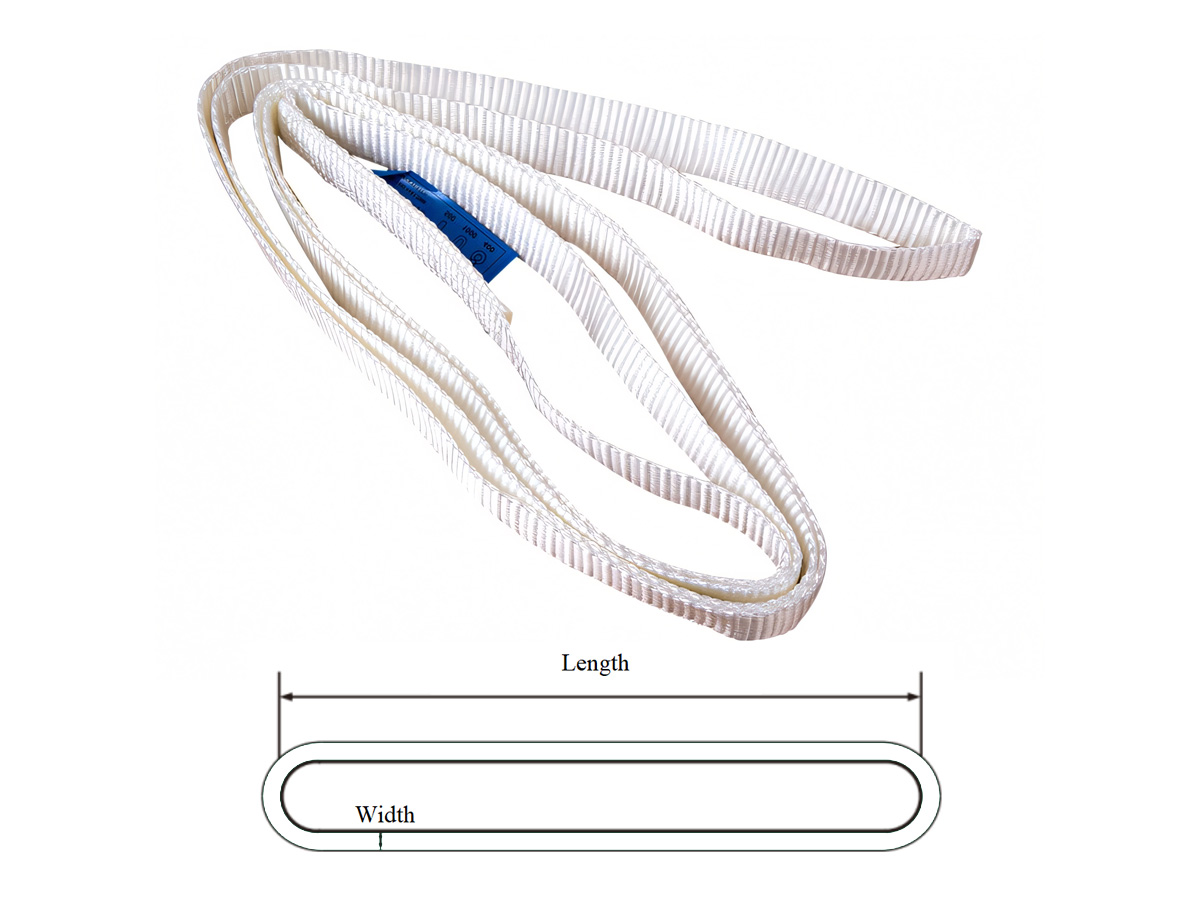
One-way endless loop flat webbing sling designed for a single lifting operation — ultra-lightweight, compact, and eliminates return logistics.
● No Return Logistics
Rated for a single lifting operation — the sling travels with the load to its final destination by road, rail or sea, with no recovery or return transport overhead. For lifting only: securing cargo in transit is a job for lashing straps, not lifting slings.
● Ultra-Lightweight
Compact one-way design — no return shipment, no recovery freight and no reuse-inspection record to manage.
● Versatile Cargo Range
Handles steel, welded mesh, structural sections, timber and containerised cargo in a single one-way sling — no cleaning or return cycle between shipments.
● 1,200+ t/y · OEM / ODM · Standard sizes 3–7 days · Sample orders welcome
SELECTION GUIDE
Single-Use vs Reusable: Which Sling for Your Lift?
| Your Situation | Best Choice | Why & What to Specify |
|---|---|---|
| Choose Single-Use (One-Way) Slings When… | ||
| Steel, welded mesh, timber or tubing moved to a final destination by road, rail or sea | Single-use sling | Travels with the cargo and stays there — no recovery freight, return paperwork or reuse-inspection history to manage. |
| Export or containerised freight where recovering the sling is costly or impractical | Single-use sling | Ultra-light and compact, it cuts freight cost when it travels with the cargo and is left in place on arrival. |
| A one-time lift where no reuse is planned | Single-use sling | You pay for the lift you need — not for durability that goes unused, and not for getting the sling back. |
| Choose Reusable Webbing Slings When… | ||
| Repeated lifts at one facility — production lines, warehouses, routine crane moves | Reusable sling | The higher upfront is amortised across hundreds of cycles. |
| Delicate or irregular loads you keep in your own inventory | Reusable sling | Stays in your inspection program under your own procedure, with a rated WLL per leg for controlled lifting. |
| The sling will be used more than a handful of times | Reusable sling | Break-even passes quickly; single-use slings are not built to survive repeated handling. |
CUSTOM SIZING & OPTIONS
| Parameter | Custom Range |
|---|---|
| Material | High-tenacity polyester |
| WLL Range | 1 t – 5 t; engineered per lift plan |
| Design Factor | 5:1 (DIN 60005) · other coefficients engineered to customer specification |
| Length | Any length as per request |
| Color | White (standard); other colors as required |
| Identification & Traceability | Durable tags with WLL, Length, serial number, manufacture date, prominent "SINGLE USE ONLY" marking; traceability code and private labeling available |
| Design & Compliance Basis | DIN 60005:2018-07 covers the 5:1 series; other coefficients made to agreed specification. |
| Documentation & Marking | CE marked to Directive 2006/42/EC. Batch MTC, proof-load reports and type-test documentation supplied with each shipment. |
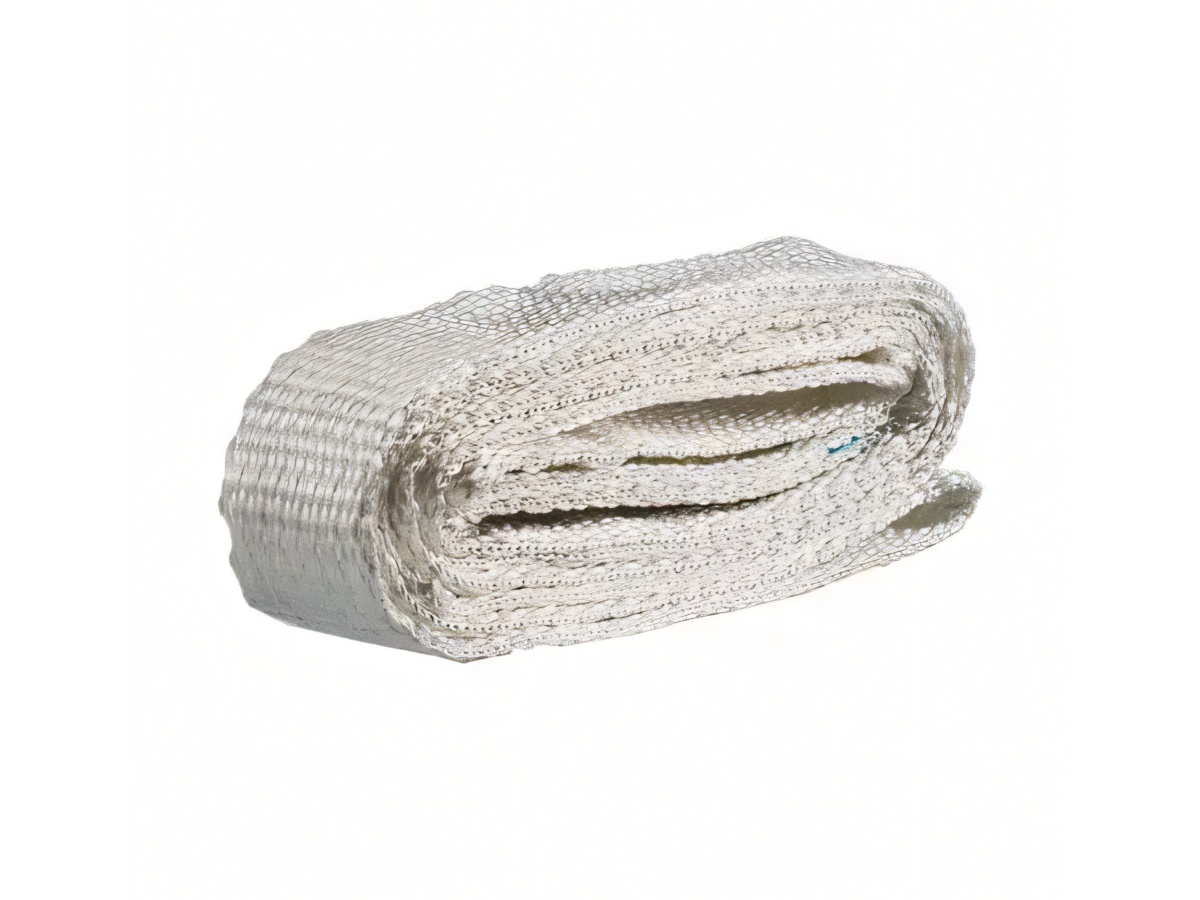
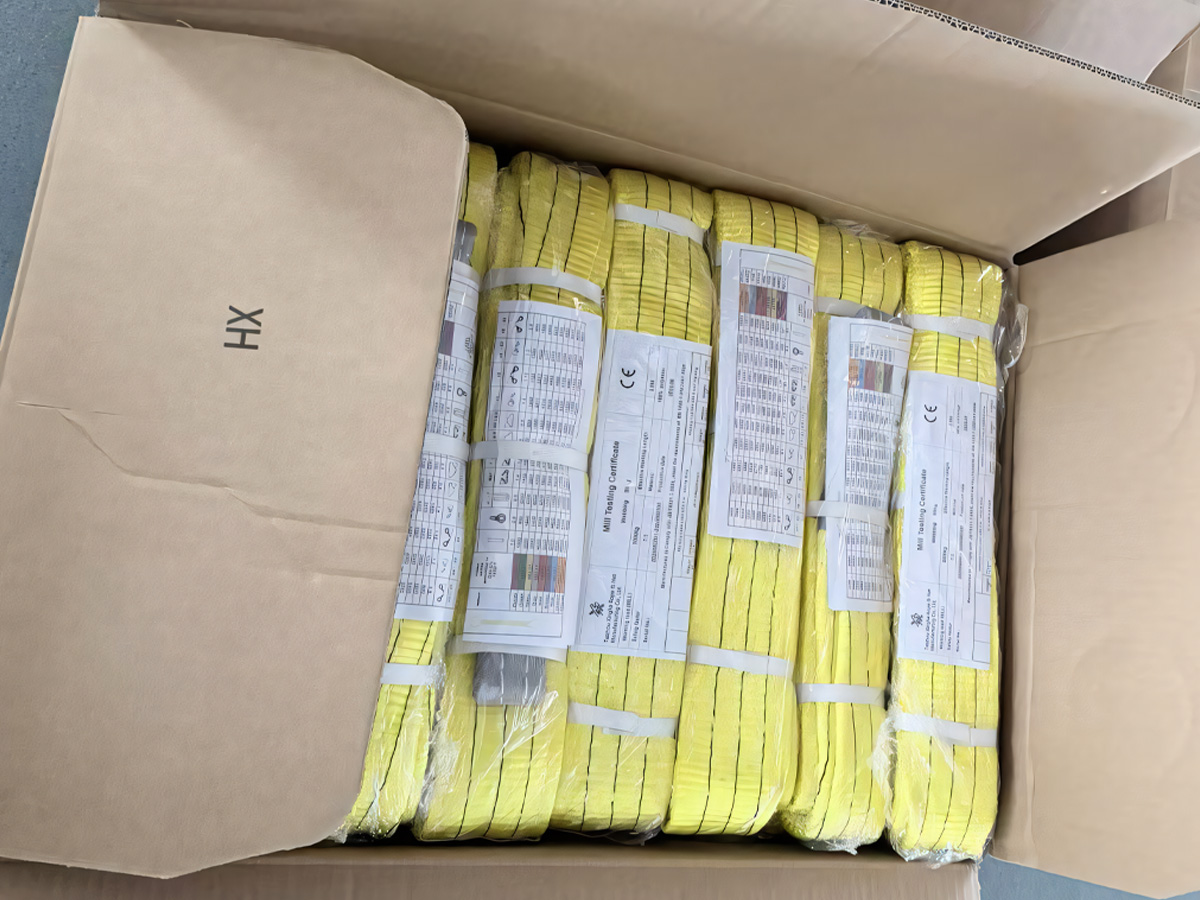
| Packaging | Coiled or folded, PE shrink-wrapped and cartoned on reinforced pallets; custom packaging and OEM labeling on request |
FAQ
Frequently Asked Questions
Questions about samples, MOQ, or shipping? Ask us directly →
Single-use slings are rated from 1 t to 5 t WLL. For heavier loads, specify a reusable webbing sling from our EN 1492-1 range.
A single-use (one-way) sling is designed for one designated lifting operation — lifting, moving and placing one load, then being discarded with it. It is not rated or inspected for reuse on another load. After its one lift there is no inspection history to verify its condition, so for repeat lifts specify a reusable sling and keep it in your inspection program.
Cut the webbing or remove the tag immediately after the lift so it cannot be mistaken for a reusable sling, then follow your site disposal procedure for used polyester webbing.
White is the standard color for single-use (one-way) webbing slings, but custom colors are available on request. On single-use slings the color is not a WLL indicator — always read the tag.
We do not recommend mixing single-use and reusable slings on the same lift. Different elongation changes load sharing and can overload one sling — keep one type per set.
Keep them sealed in their original packaging in a cool, dry place away from sunlight, moisture and chemicals. The sling stays protected until the moment of the lift — no maintenance or inspection program applies, but always inspect it before the lift and discard any sling showing damage.
No. DIN 60005 is a German industry standard, not an EU harmonised standard, so it gives no presumption of conformity. It remains the accepted reference for single-use slings in Germany and is widely specified by European buyers. Our CE marking rests on Directive 2006/42/EC, declared by us as manufacturer.
SAFETY
Single-Use Lifting Slings - Safety & Usage Guidelines
01
One Lift Only
Single-use slings are rated for ONE lift. Never reuse a sling that has already carried a load — its condition can no longer be verified.
02
Destroy After Use
Cut the webbing or remove the tag immediately after the lift so it cannot be mistaken for a reusable sling. Follow your site's disposal procedure for used webbing.
03
Inspect Before the Lift
Inspect the entire sling for cuts, abrasion, broken yarns, or chemical damage incurred in storage or transit.
04
Confirm the WLL
Check that the WLL on the tag meets or exceeds the load. The white webbing is a one-way-sling convention, not a color code — always read the WLL from the tag.
05
Pad Sharp Edges
The lightweight webbing is more cut-sensitive than reusable slings — pad all sharp load edges before lifting.
06
Respect Temperature & Storage
Keep within −40 °C to +100 °C for polyester; never use near welding arcs or molten splatter. Store in the original packaging in a cool, dry place away from sunlight, moisture and chemicals — UV degrades the webbing over time.
07
Discard on Defect
If a defect appears before the lift, discard the sling and open a new one — there is no economic case for risking a one-way sling. Discard immediately on acid burns, friction heat melting, or chemical staining.
RELATED PRODUCTS
Explore More Solutions
HMPE Slings
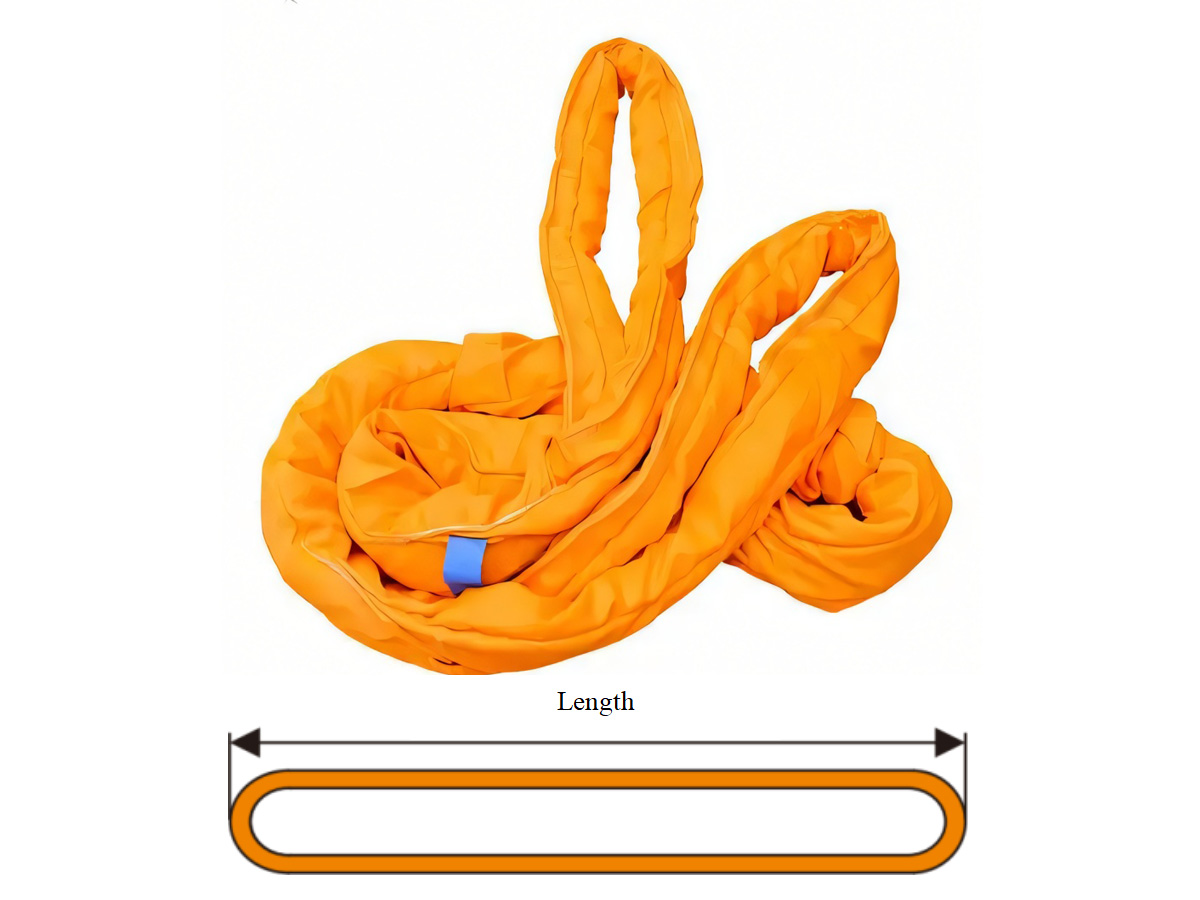
HMPE slings built on UHMWPE fiber for weight-critical heavy lifts — offshore, wind energy and engineered lifting where sling weight, elongation and corrosion resistance are selection criteria.
View product →
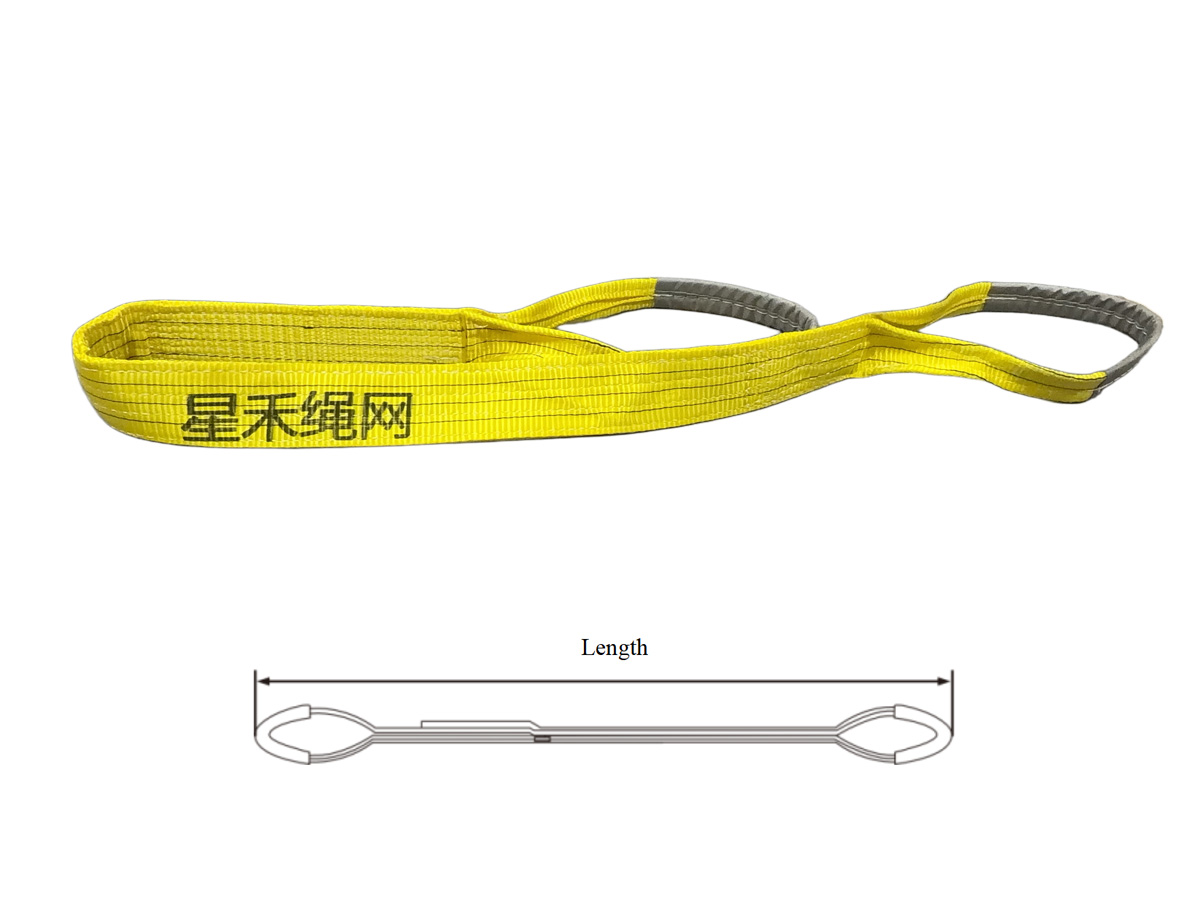
Eye-and-Eye Webbing Slings
Reinforced Eye-and-Eye webbing sling with high-tenacity polyester construction and color-coded WLL identification.
View product →
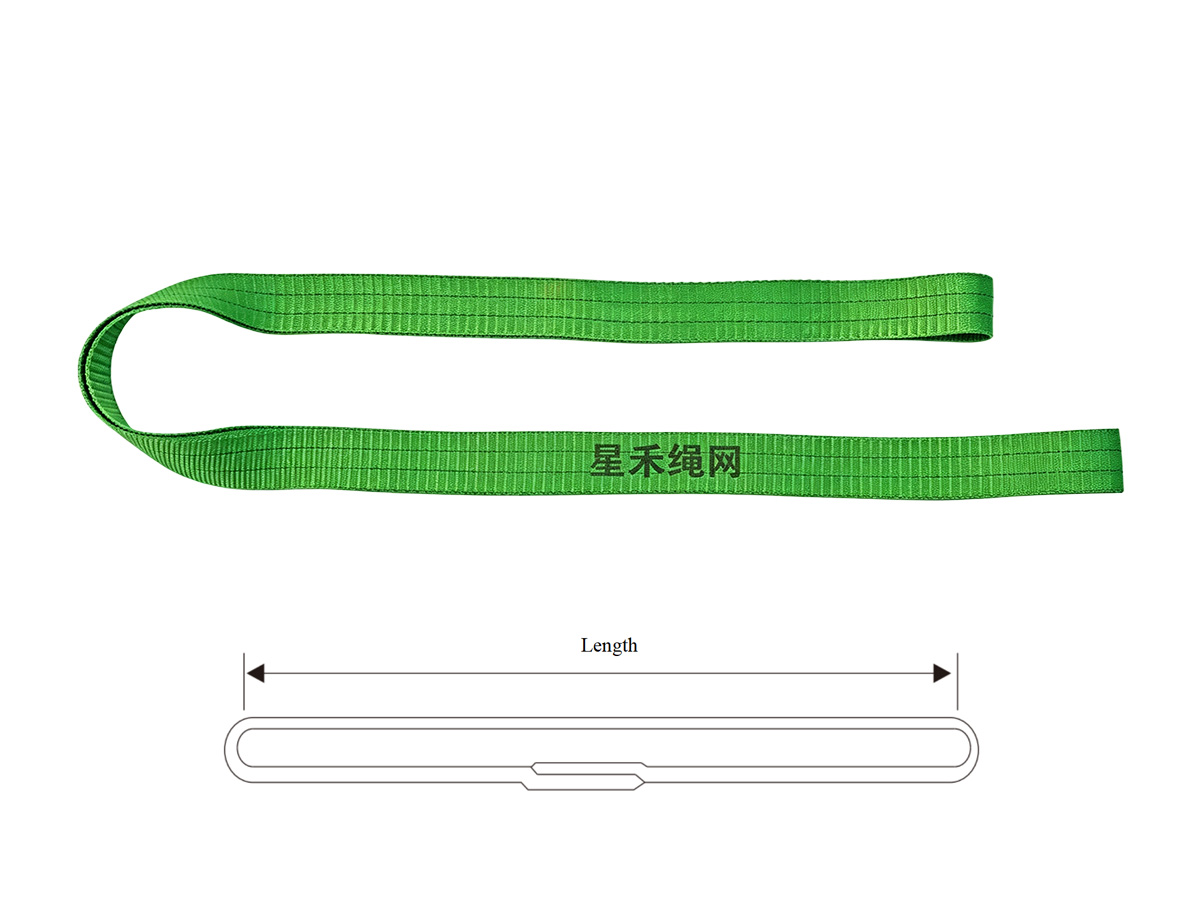
Endless Webbing Slings
Rotatable endless webbing sling for even wear distribution in repetitive basket and choker lifts.
View product →
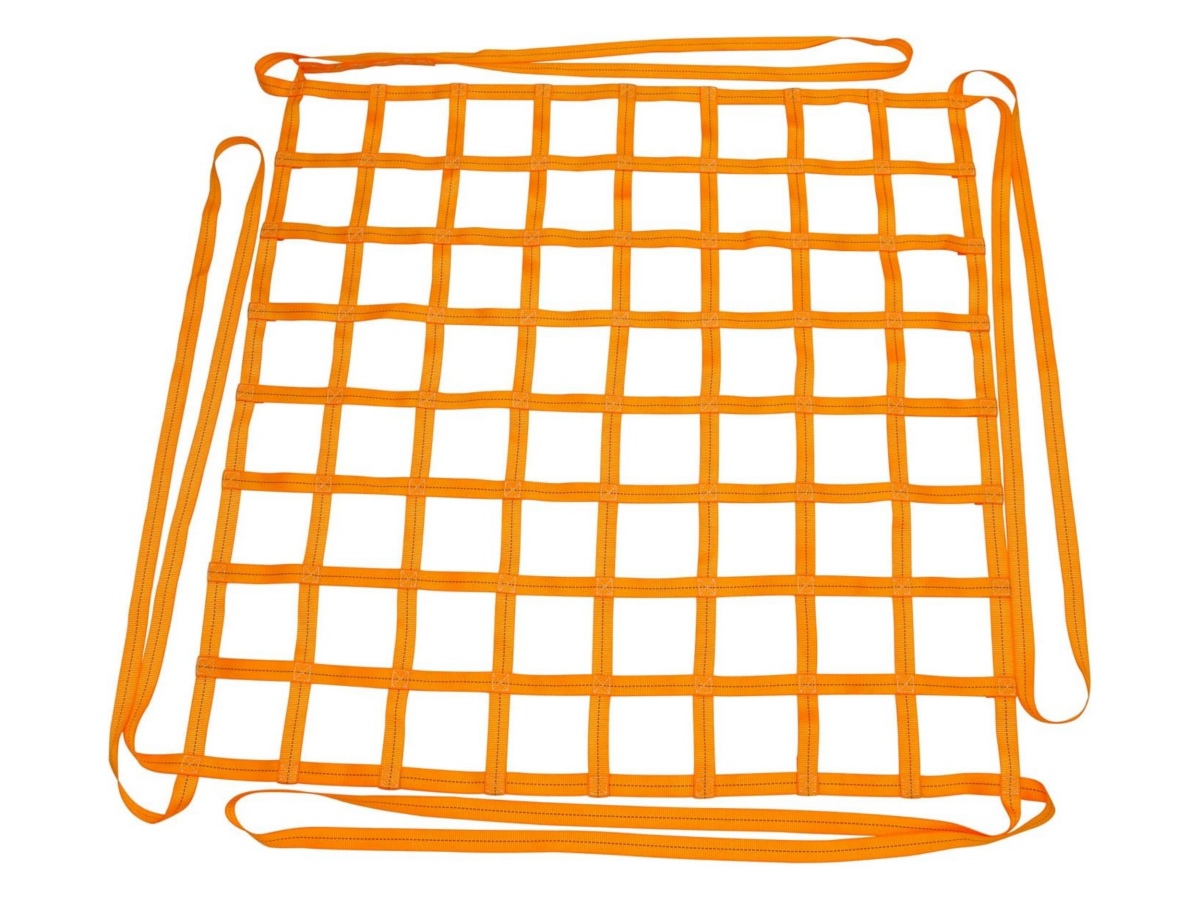
Webbing Lifting Nets
One-piece woven polyester lifting net for bulk, irregular and multi-item loads — mesh, size and lifting configuration made to your cargo.
View product →