
Cargo Nets for Trailer & Container Load Securing
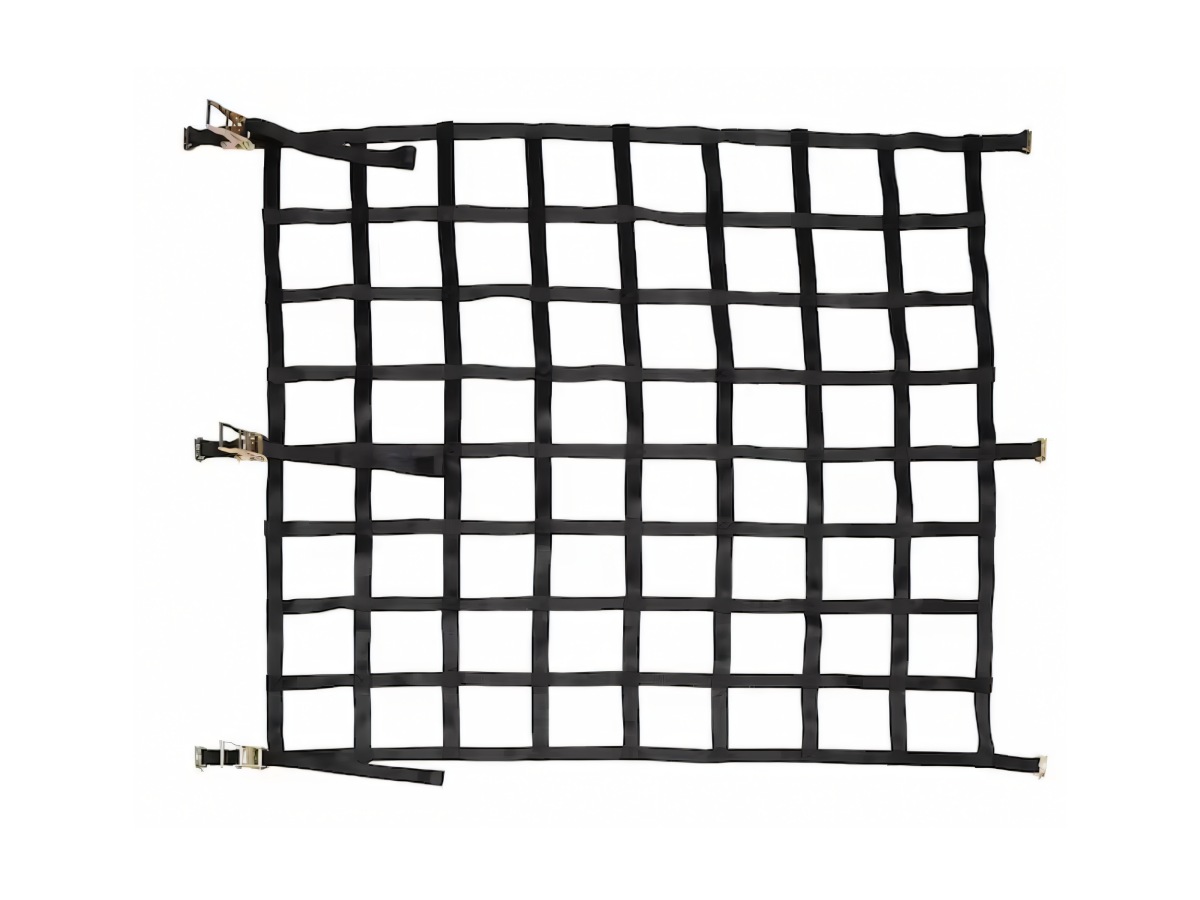
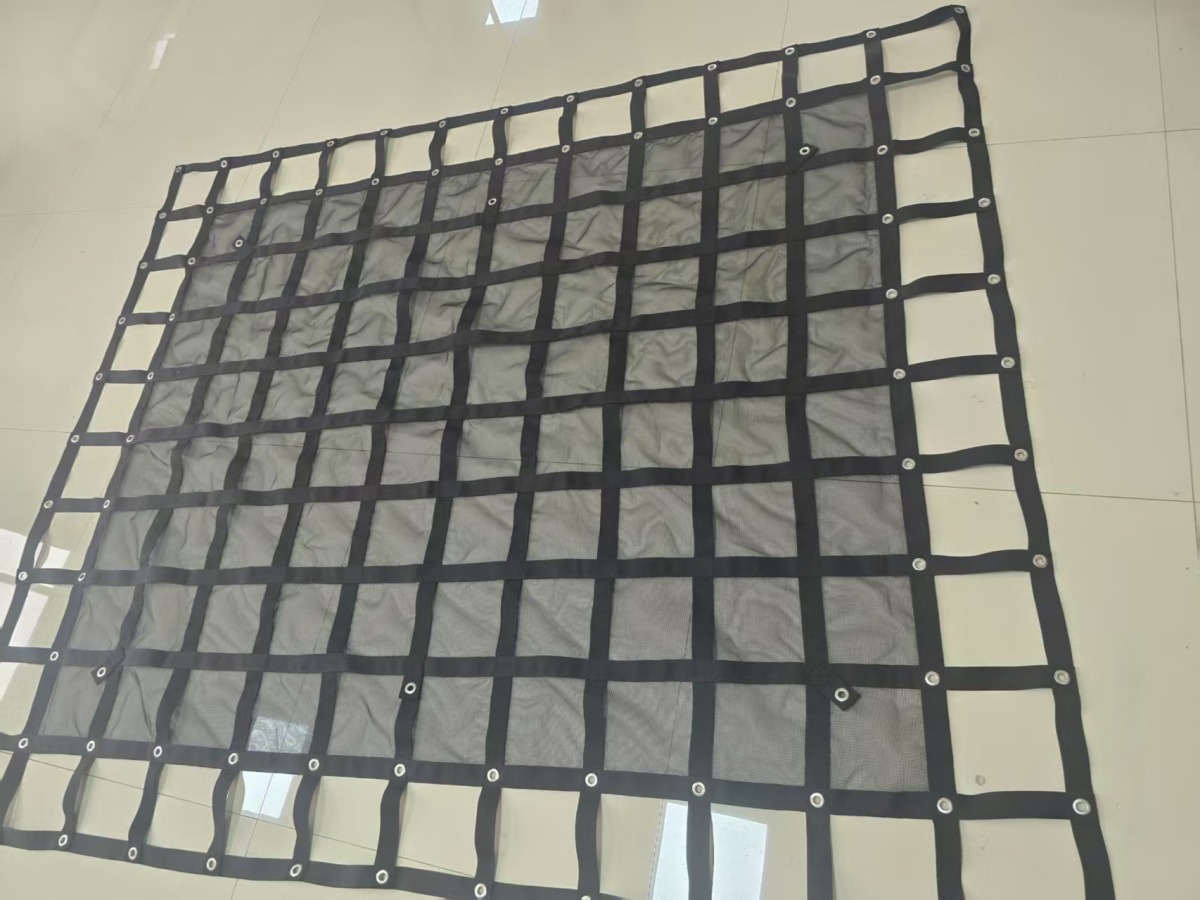
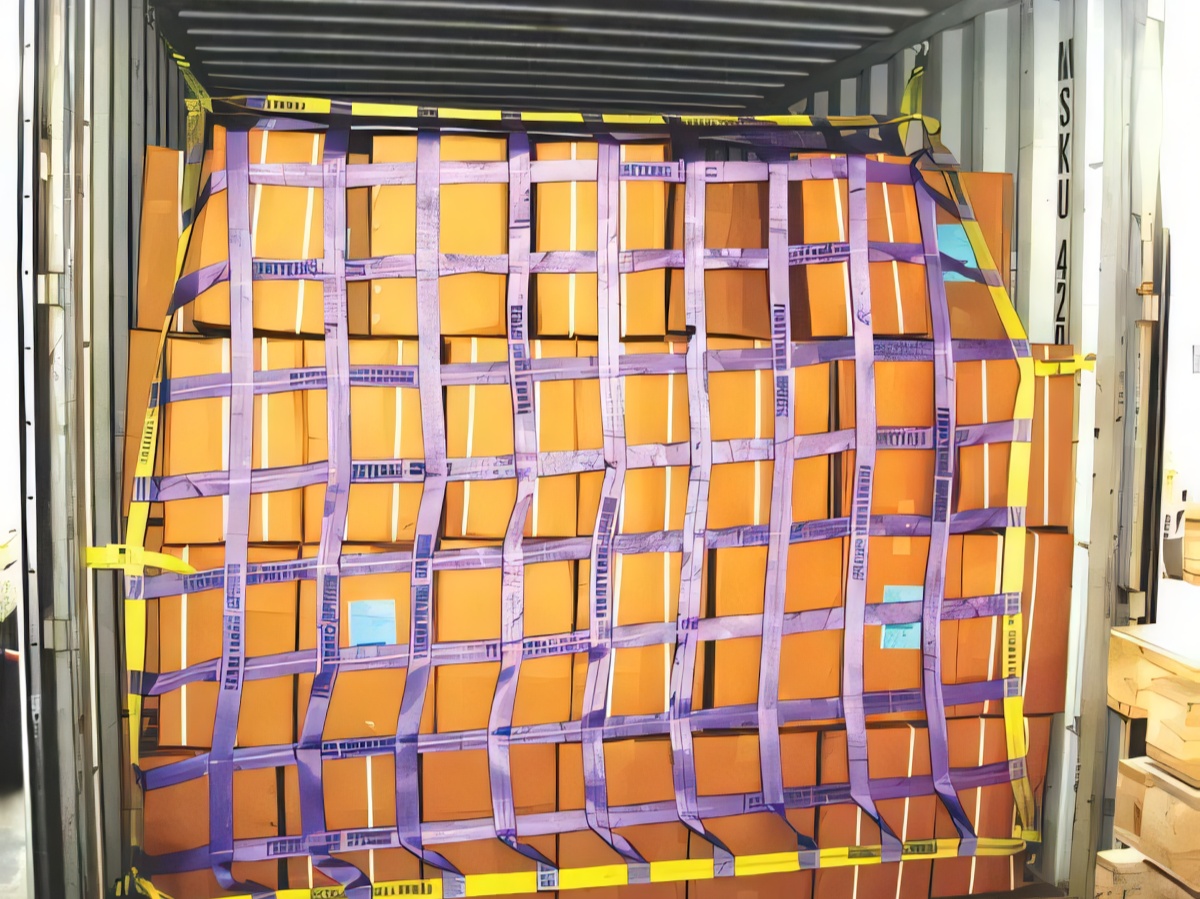
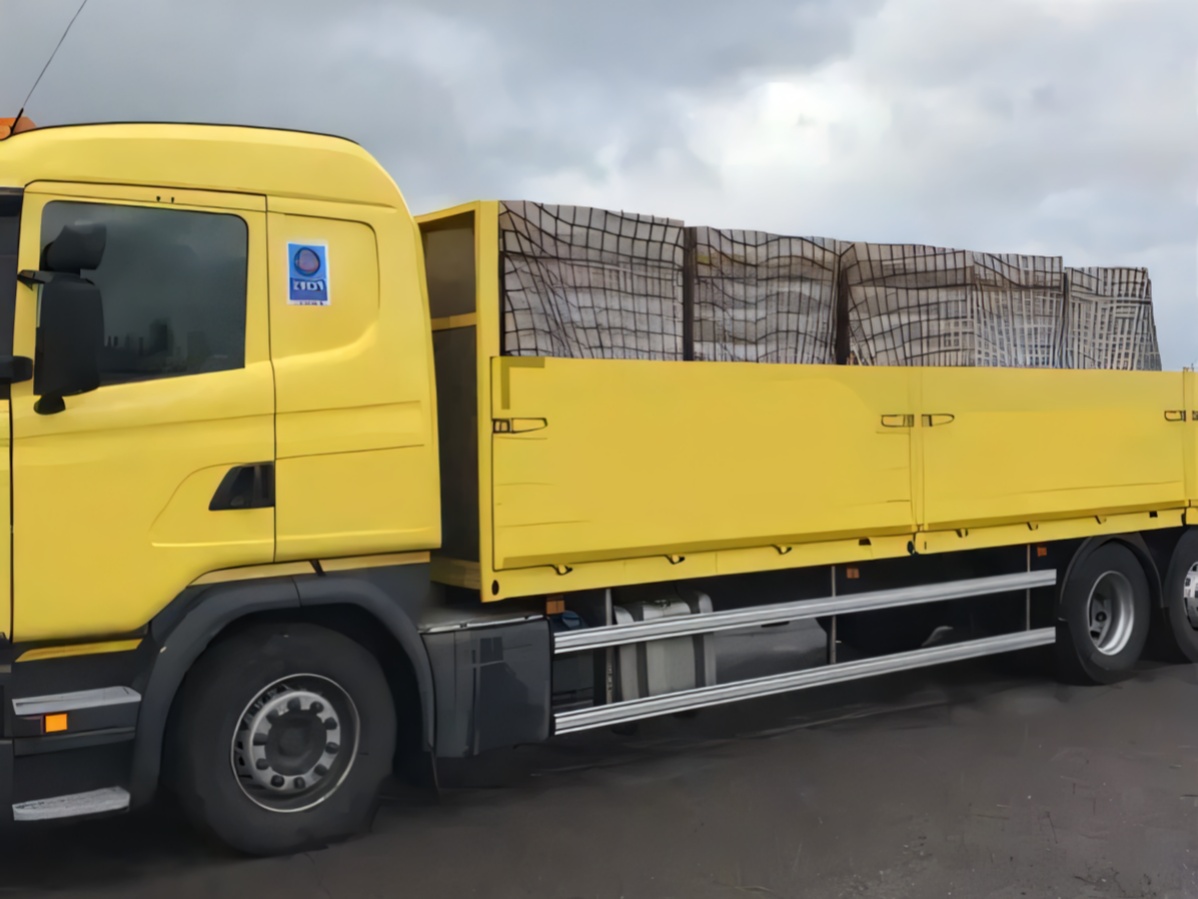
KEY FEATURES
Quick-deploy UV-stabilized cargo nets for truck and container load containment — NOT FOR LIFTING.
● Configurable Mesh
Mesh size and border rope diameter selected to the cargo type and anchor pattern.
● Reinforced Border Rope
Heavy-duty border rope with load-rated attachment points takes the strain around the net's perimeter, so the mesh body conforms to the load — with reinforced corners where snagging and chafing are worst.
● Snap-Hook Attachment
Snap-hook or cam-buckle points spaced to match standard trailer bed and container floor anchor patterns — the net fits the anchors already on the vehicle.
● UV & Weather Resistant
UV-stabilised high-tenacity polyester mesh for extended outdoor exposure, including open-deck and coastal routes.
● Rapid Deployment
Collapsible design folds compactly for storage and return trips.
● 1,200+ t/y · OEM / ODM · Standard sizes 3–7 days · Custom-engineered 2–4 weeks · Sample orders welcome
NET FUNCTION
Load containment and load retention netting
Load containment is the net's job: it encloses cargo so freight cannot spill, shift or fall out of a trailer, flatbed or container. Buyers also call the same function load retention netting. The declared LC covers the complete net assembly — mesh, border rope and attachment hardware — while the tensioning straps are rated separately. For the calculation and inspection context, see load securement netting.
SELECTION GUIDE
Net or Strap for This Load?
| Your Situation | Best Choice | Why & What to Specify |
|---|---|---|
| Loose, irregular or bulky cargo that must stay contained | Cargo net | Mesh spreads restraint across the whole load face; sized to the opening. |
| Palletized, boxed or uniform cargo with defined anchor points | Ratchet strap | Direct tension to rated lashing points; fastest for mixed, stacked loads. |
| Sharp-edged or abrasive cargo | Edge-protected strap or net with padding | Fit corner protectors; steel chain resists cutting where edges stay sharp. |
| Oversized or odd-shaped loads | Custom-sized net | Mesh, border rope and fixing points engineered to the load. |
CUSTOM SIZING & OPTIONS
| Parameter | Custom Range |
|---|---|
| Material | UV-stabilised high-tenacity polyester (mesh and border rope) |
| Mesh Size | 45 – 100 mm (standard 50 × 50 mm and 100 × 100 mm) |
| Border Rope | 8 – 12 mm diameter, reinforced |
| Attachment | Snap-hook or cam-buckle, spaced to trailer / container anchor pattern |
| Dimensions | Custom-sized to truck, trailer, flatbed or container |
| Lashing Capacity (LC) | Declared per design, evidenced by type-test report to the EN 12195-2 test method. LC refers to the complete net assembly — mesh, border rope and attachment hardware — and excludes ratchet straps and other tensioning accessories, which are rated separately. The weakest component governs the assembly rating. |
| Design & Compliance Basis | Rated by declared lashing capacity (LC); test method agreed with the buyer, with load-restraint calculation principles referenced to EN 12195-1. No product-specific harmonised standard applies to cargo nets. |
| Documentation & Marking | Type-test report per declared LC; batch material certificate; manufacturer's declaration of conformity to the declared LC and agreed test method — all supplied with each shipment. |
| Identification & Traceability | Durable tags with LC, serial number, manufacture date; mesh size and border rope specification; traceability code and private labeling available |
| Packaging | Folded and packed in woven / poly bags, then palletized; custom packaging and OEM labeling on request |
FAQ
Frequently Asked Questions
Questions about samples, MOQ, or shipping? Ask us directly →
We custom-size nets for trucks, trailers, flatbeds, and containers. Provide your bed dimensions and typical load type for a tailored design.
Smaller mesh contains finer or loose items; larger mesh is lighter and suited to palletized or boxed goods. We recommend based on your cargo and securing method.
Yes. Reinforced border ropes with hooks or loops allow quick attachment and removal, and the nets fold compactly for storage when not in use.
Cargo nets are manufactured from high-tenacity polyester and type-tested to their declared LC; securing arrangements are calculated per EN 12195-1. UV-stabilized yarn is available for outdoor and long-haul applications.
Please provide the vehicle or container dimensions, mesh size preference, expected load type, and attachment point layout. A drawing or photo helps us quote accurately.
Both. We can supply the net only — attachment hooks included, ratchet straps sourced separately — or as a complete set with matched tensioning straps. Specify your preference when requesting a quote.
Check mesh, border ropes, and attachment points for cuts, abrasion, or UV damage before each trip. Store clean and dry, away from chemicals and direct sunlight, to maximize service life.
Yes. We use UV-stabilized polyester and can add reinforced borders for outdoor exposure. Specify your typical route and climate so we can recommend the right material grade.
LC is marked in daN (decanewtons) per EN 12195-2 §6.1 — the mandatory European unit for lashing capacity. 1 daN = 10 N ≈ 1.02 kgf, so an LC of 400 daN corresponds to about 408 kgf. Always read the label in daN.
The net contains the load; the ratchet straps tensioned over the border rope supply the securing force. Sizing combines the net's declared LC with the number and LC of the tensioning straps, following EN 12195-1 calculation principles. Send us the cargo mass, deck type and route; we will propose the net, straps and layout.
Retire a net immediately if any mesh yarn is cut or broken, an edge or border rope is damaged, or a fixing hook, ring or buckle is bent, cracked or heavily corroded. Also retire the net if the identification label is illegible or missing — without it the rated lashing capacity can no longer be confirmed. In continuous service, inspect the net regularly — and always after emergency braking, an impact or any visible change — and keep the inspections on record as part of your fleet's maintenance program.
Load securement is the whole arrangement that stops cargo moving: the net, its tensioning straps and the anchor points, sized with the EN 12195-1 calculation. Load containment netting and load retention netting are the names buyers use for the net itself — it encloses the load so freight cannot spill, shift or fall out of a trailer, flatbed or container. These nets are for restraint only and are never used for lifting. For the underlying distinction see load securement netting.
SAFETY
Cargo Nets - Safety & Usage Guidelines
01
Cargo Restraint Only
CRITICAL: cargo nets restrain loose or irregular cargo on trailers and flatbeds ONLY — never for lifting or personnel fall protection.
02
Check LC and Mesh
Check the net's rated lashing capacity (LC) and mesh size before each use; confirm they suit the cargo and expected dynamic load.
03
Inspect Mesh and Ropes
Inspect mesh strands, border ropes, and attachment rings for cuts, abrasion, UV or chemical damage — a single cut strand can let a tear spread across the mesh under shock loading.
04
Cover the Full Load
Never use an undersized net that leaves cargo exposed — loose cargo can eject during braking or cornering.
05
Secure Every Point
Attach every point to a rated anchor; an under-attached net shifts under load and lets cargo escape.
06
Tension Evenly
Tension the net evenly with ratchet straps on the border rope; slack areas let cargo migrate during transit.
07
Pad Sharp Corners
Pad sharp cargo corners under the net — mesh cuts more easily against an unprotected edge.
08
Comply with Regulations
Comply with the load securing regulations on your route — EU securing calculations follow EN 12195-1, while US cargo securement falls under FMCSA 49 CFR 393 Subpart I.
09
Respect Temperature Limits
Operate within the polyester temperature range. UV degrades both mesh and border rope over time in storage and service.
10
Store Correctly
Store clean, dry, and away from direct sunlight and chemicals — UV exposure in storage degrades both mesh and border rope.
11
Retire on Damage
Replace immediately if the mesh is cut, the border rope is frayed, rings are deformed, or the net has seen acid burns, fire, chemicals, or molten splatter.
RELATED PRODUCTS
Explore More Solutions
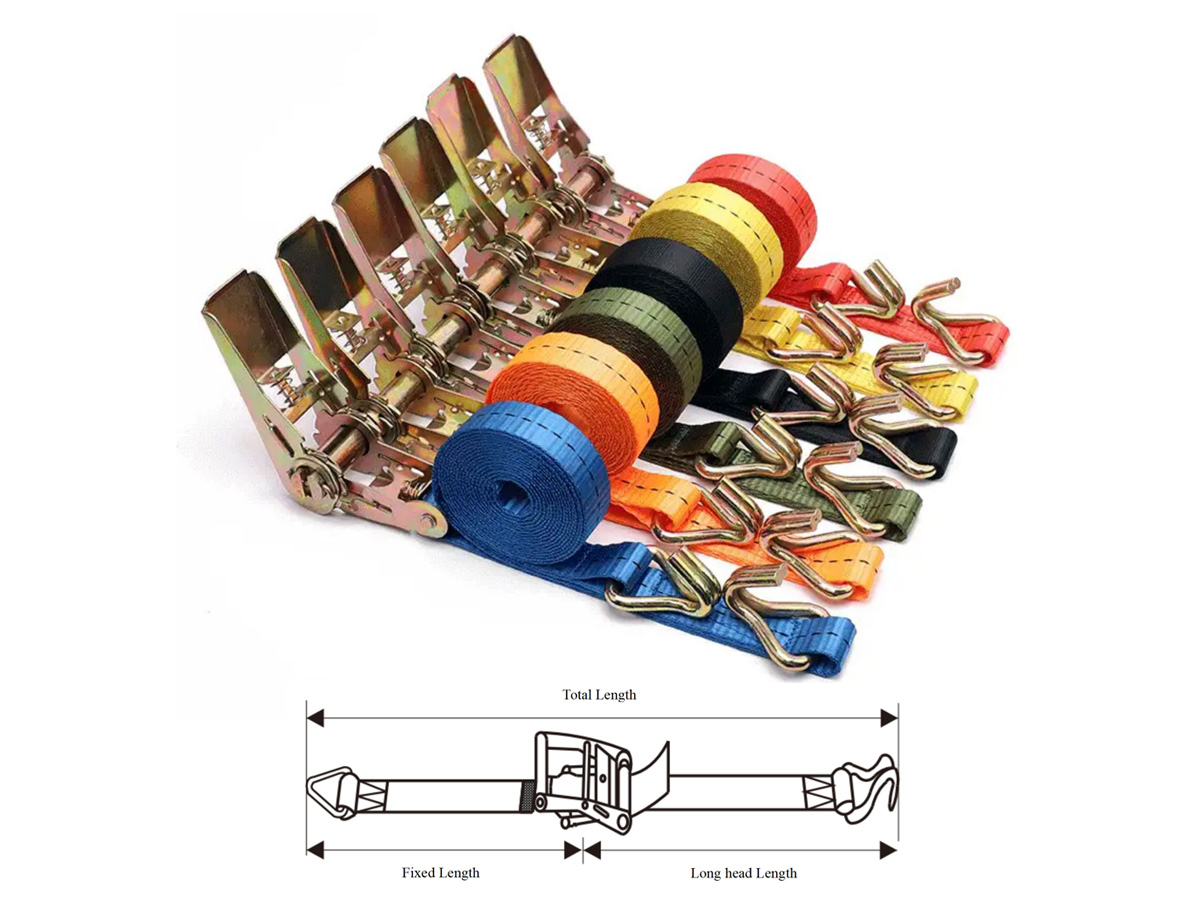
Ratchet Straps
Type-tested ratchet lashing assemblies — one lashing system for every transport mode. Cargo lashing and tie-down use only — NOT FOR LIFTING.
View product →
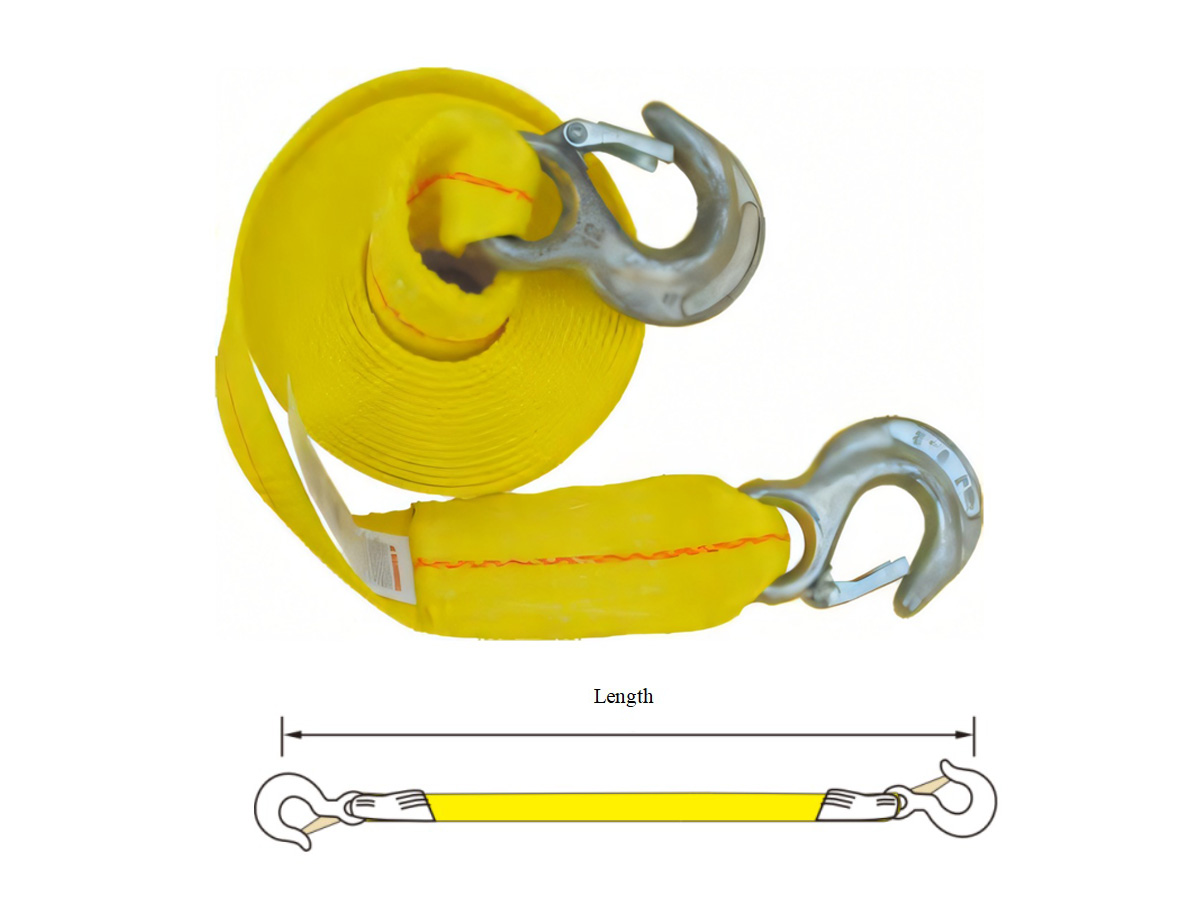
Vehicle Towing Straps
Low-stretch polyester towing straps with forged steel hooks or reinforced eyes, built for controlled, low-speed towing of disabled or broken-down vehicles — not for kinetic recovery or lifting.
View product →
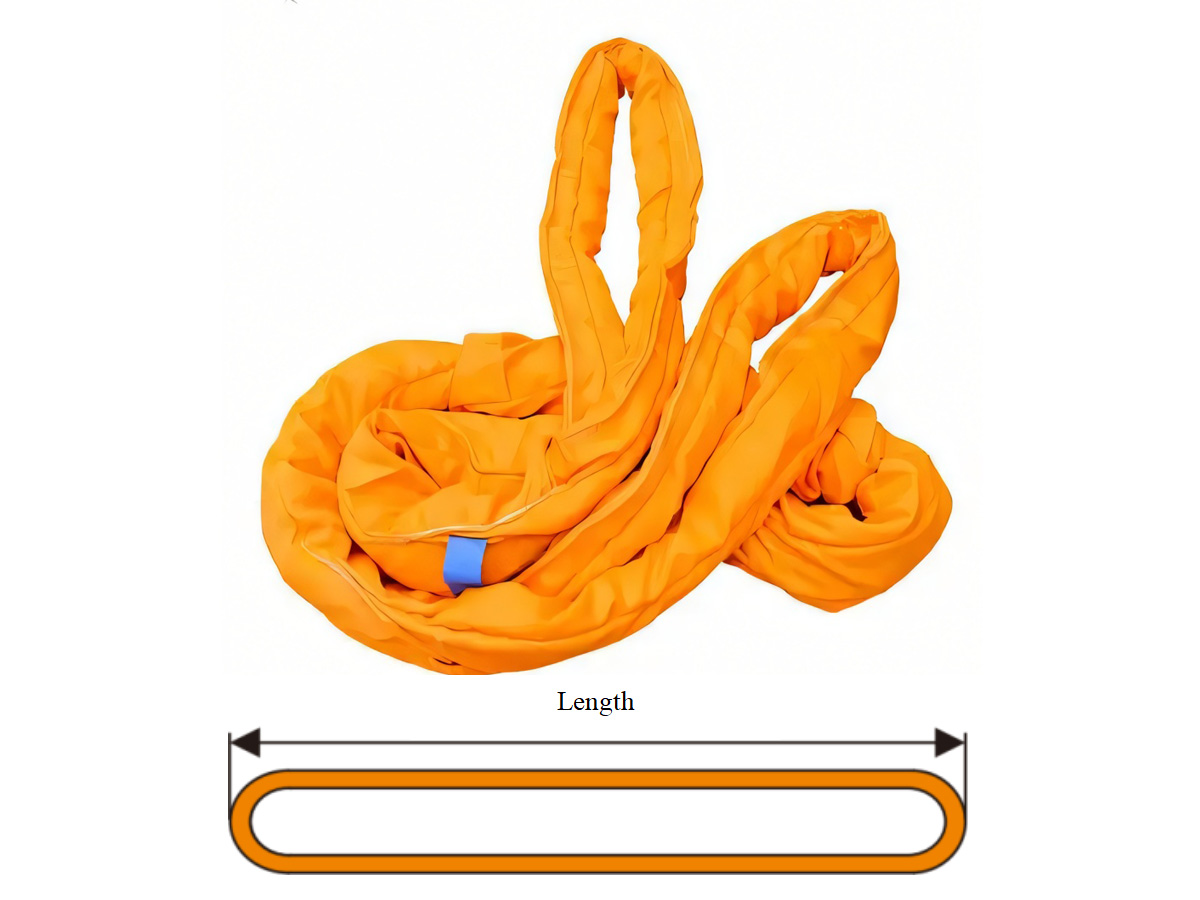
HMPE Slings
HMPE slings built on UHMWPE fiber for weight-critical heavy lifts — offshore, wind energy and engineered lifting where sling weight, elongation and corrosion resistance are selection criteria.
View product →
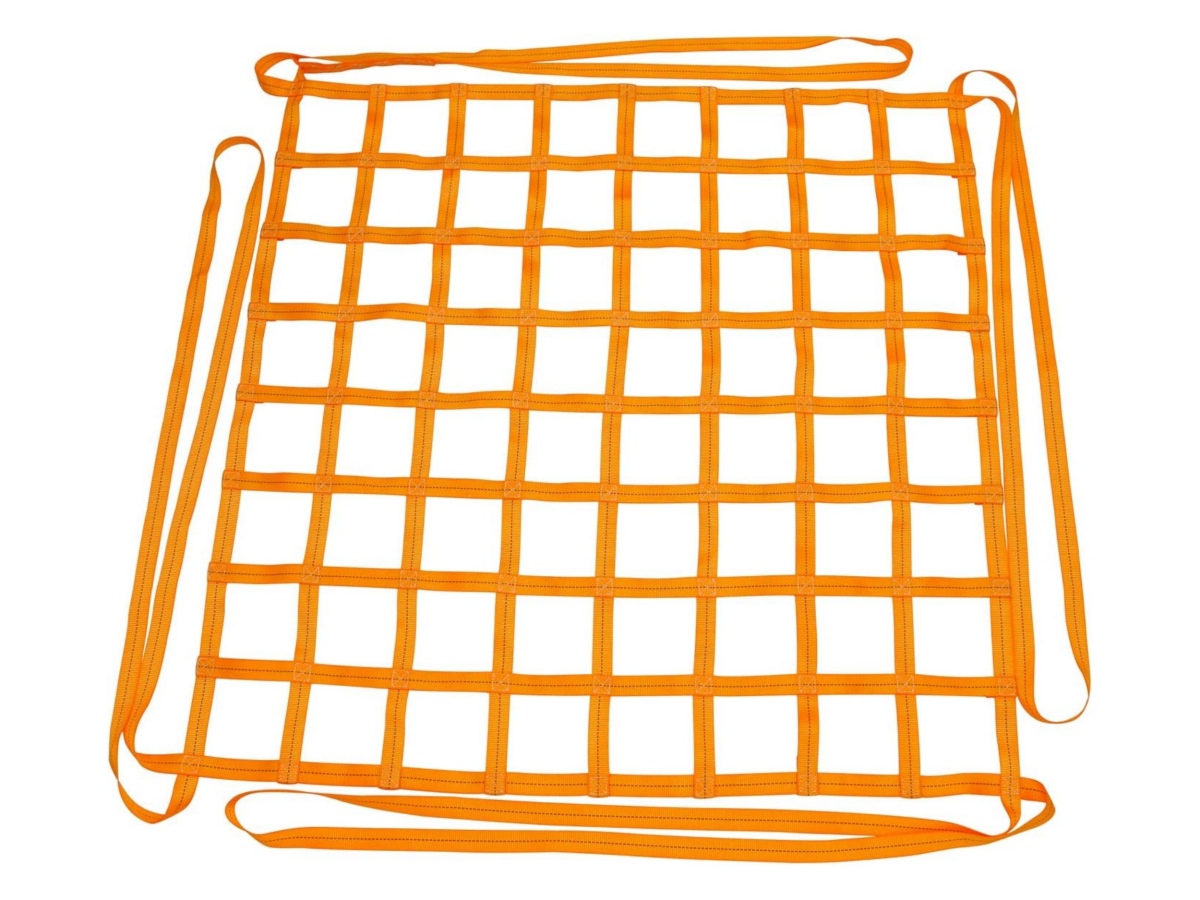
Webbing Lifting Nets
One-piece woven polyester lifting net for bulk, irregular and multi-item loads — mesh, size and lifting configuration made to your cargo.
View product →