
Safety Solutions
Vehicle Recovery & Towing
liftrue | Manufacturer & Supplier
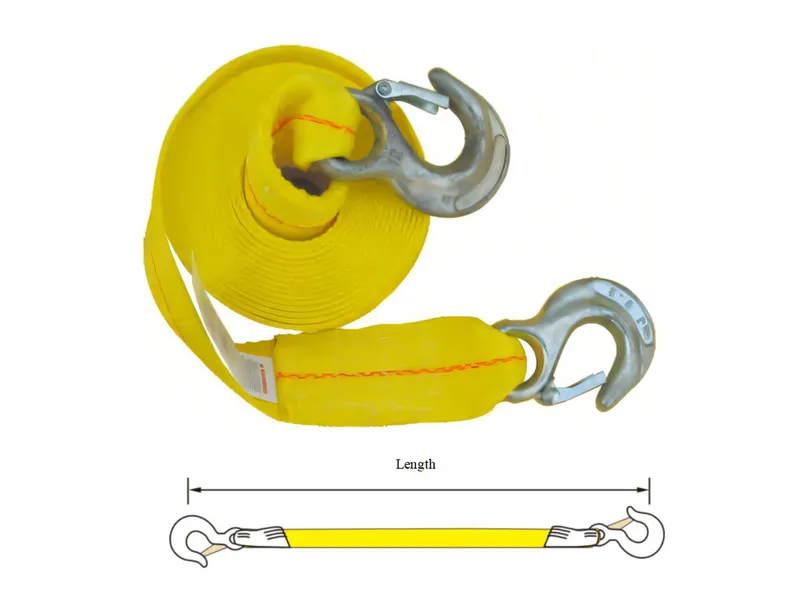
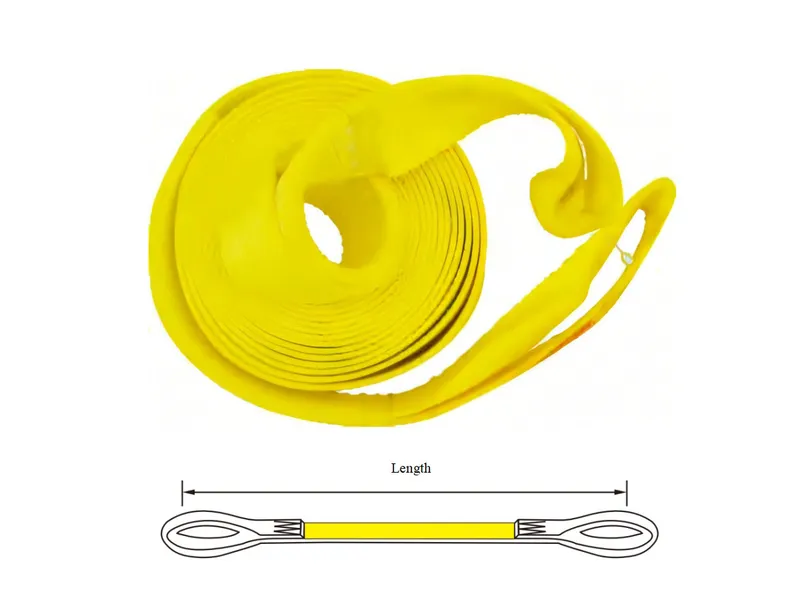
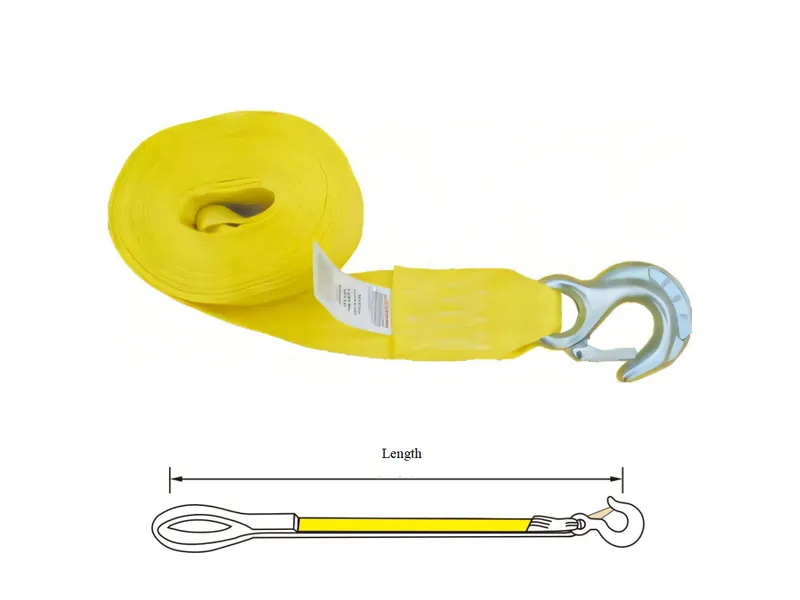
Heavy-duty recovery and towing straps with forged steel hooks and double-layer reinforced eyes.
Key Features
- Webbing density of 12,000 denier with UV-resistant dye — maintains flexibility from -40°C to 100°C
- Special webbing finish reduces vibration and shock between vehicles during towing
- Forged steel hooks with spring-loaded latches and 4:1 safety margin against break load
- High-visibility color options improve safety in low-light or night-time recovery
- Flat webbing profile distributes pulling force evenly, avoiding local stress concentration
- Compact, rollable design fits easily into vehicle toolboxes for emergency readiness
- Double-layer eyes with full-length protective sleeving rated for 5+ years of repeated field use
- Multiple lengths, capacities, and end fittings available for cars, SUVs, ATVs, and light trucks
Applications
Own Manufacturing Facility
ODM / OEM & Flexible MOQ
Fast Response & Delivery
ISO 9001 & CE certified
Trusted by 500+ Clients
FAQ
Vehicle Recovery & Towing FAQs
Recovery straps typically stretch to store kinetic energy for pulling a stuck vehicle free. Tow straps are low-stretch and used for controlled road towing or transport securing. We supply both configurations.
Match the strap rating to the gross vehicle weight or cargo load. For off-road recovery, choose a higher rating to account for suction, incline, and resistance. For transport securing, calculate restraint requirements per EN 12195-2.
No. Vehicle recovery, towing, and transport-securing straps are for cargo securing and vehicle recovery only. Never use them for lifting, hoisting, or personnel support.
Polyester offers low stretch, excellent UV resistance, and stable tension under load, making it ideal for road and sea freight. Nylon absorbs more shock and is suited to dynamic recovery where slight elongation helps reduce peak forces.
Standard straps cover breaking loads from 1,000 kg to 3,000 kg (working load 500–1,500 kg at 2:1 safety factor) in 45–50 mm widths and 4 m standard lengths. Custom configurations with higher capacities, wider straps, and longer lengths are available upon request.
Inspect the full length of webbing and fittings for cuts, abrasion, burns, chemical damage, or deformation. Reject any strap with damaged eyes, hooks, or stitching. Never exceed the rated capacity, drag over rough ground, or use a repaired strap.
Attach to structurally sound towing points on both vehicles, such as the front axle plate of the lead vehicle and a central point on the front suspension of the towed vehicle. Keep the vehicles several metres apart, mark the strap with a flag or cloth for visibility, tension slowly, and maintain a low steady speed. Take wide turns, avoid hard braking, and disconnect on long downhill sections where possible.
Specifications
Technical Specifications
Model A — Tow Strap Specifications
| Breaking load (Kg) | Approximate thickness (mm) | Approximate width (mm) | Overall length (m) | Complete weight (Kg/m) |
|---|---|---|---|---|
| 1000 | 2 | 45 | 4 | 0.59 |
| 1500 | 2 | 50 | 0.67 | |
| 2000 | 3 | 50 | 0.74 | |
| 3000 | 4 | 50 | 0.85 |
Model B — Tow Strap Specifications
| Breaking load (Kg) | Approximate thickness (mm) | Approximate width (mm) | Overall length (m) | Complete weight (Kg/m) |
|---|---|---|---|---|
| 1000 | 2 | 45 | 4 | 0.25 |
| 1500 | 2 | 50 | 0.35 | |
| 2000 | 3 | 50 | 0.39 | |
| 3000 | 4 | 50 | 0.48 |
Model C — Tow Strap Specifications
| Breaking load (Kg) | Approximate thickness (mm) | Approximate width (mm) | Overall length (m) | Complete weight (Kg/m) |
|---|---|---|---|---|
| 1000 | 2 | 45 | 4 | 0.42 |
| 1500 | 2 | 50 | 0.51 | |
| 2000 | 3 | 50 | 0.55 | |
| 3000 | 4 | 50 | 0.66 |
For vehicle recovery, towing, and cargo securing only. Never use for lifting, hoisting, or personnel support. Do not exceed the rated capacity, drag over rough surfaces, or use a damaged strap.
Safety
Vehicle Recovery & Towing Strap Safety Guidelines
All liftrue products are manufactured under ISO 9001 quality management and are CE certified.
Related Products
Explore More Solutions
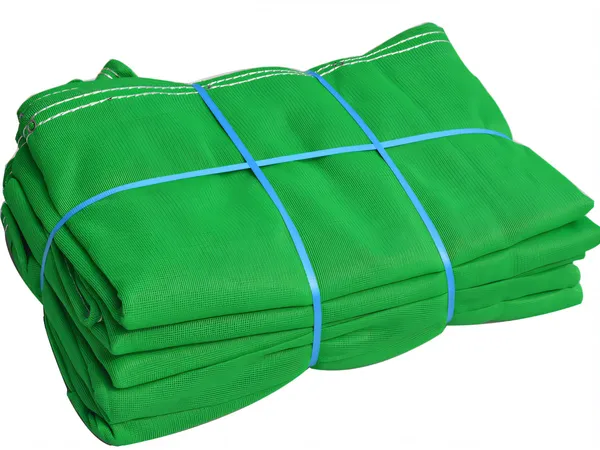
Construction Safety Nets
EN 1263-2 compliant safety nets with UV-stabilized mesh, available in standard, dense, and flame-retardant configurations.
View Details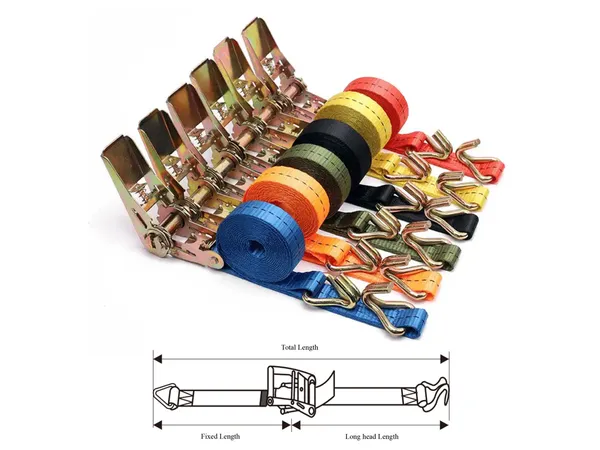
Ratchet Straps
Ergonomic ratchet tie-down straps with high-tenacity polyester webbing and multiple fitting options.
View Details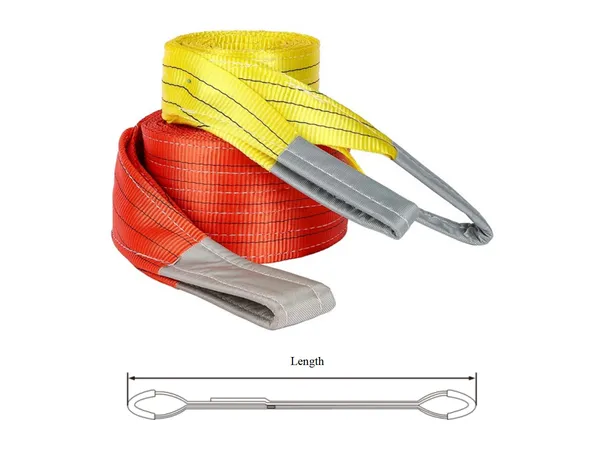
Eye & Eye Webbing Slings
Reinforced eye & eye flat webbing sling with high-tenacity polyester construction and color-coded WLL identification.
View Details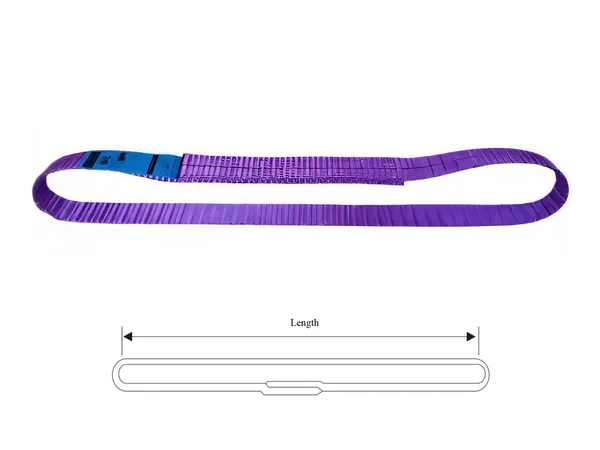
Endless Webbing Slings
Rotatable endless webbing sling for even wear distribution in repetitive basket and choker lifts.
View DetailsRequest a Quote
Tell us about your project and we will respond within 24 hours.
Request a Free Sample
Evaluate our quality firsthand. Fill out the quick form below.