
Lifting Solutions
Lifting Nets for Heavy Lifting
liftrue | Manufacturer & Supplier
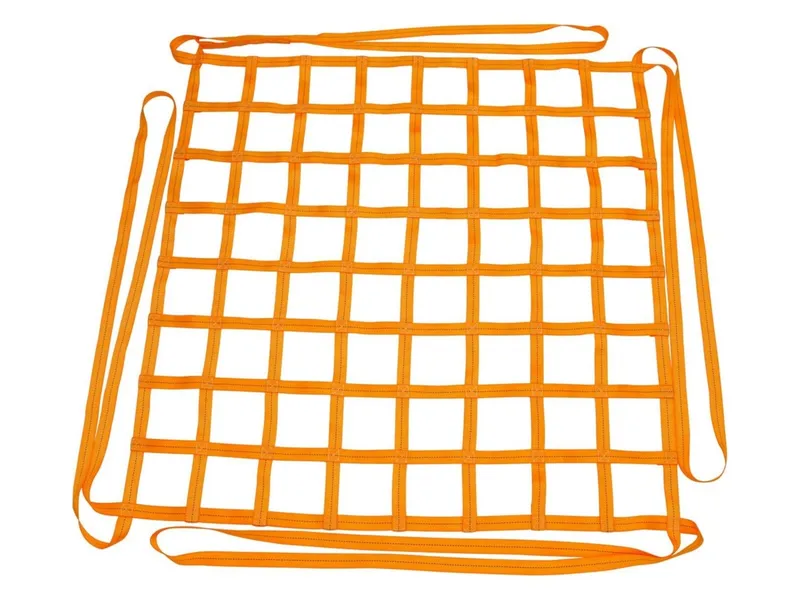
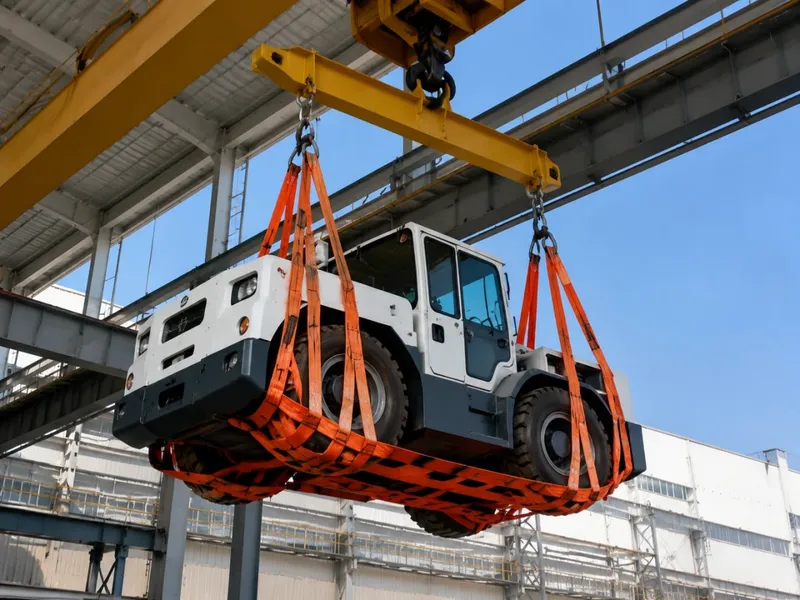
Reinforced webbing lifting net with UV-stabilized polyester mesh for secure multi-point load distribution.
Key Features
- High-strength mesh with reinforced attachment points
- UV stabilization rated for 5+ years continuous outdoor exposure with less than 5% strength degradation
- Custom mesh sizes, border ropes, and load-tagging options
- Border rope diameters from 10 mm to 16 mm with 4 to 8 certified lifting points for balanced multi-leg hoisting
- Compliant with EN 1263-1
Applications
Own Manufacturing Facility
ODM / OEM & Flexible MOQ
Fast Response & Delivery
ISO 9001 & CE certified
Trusted by 500+ Clients
FAQ
Lifting Nets FAQs
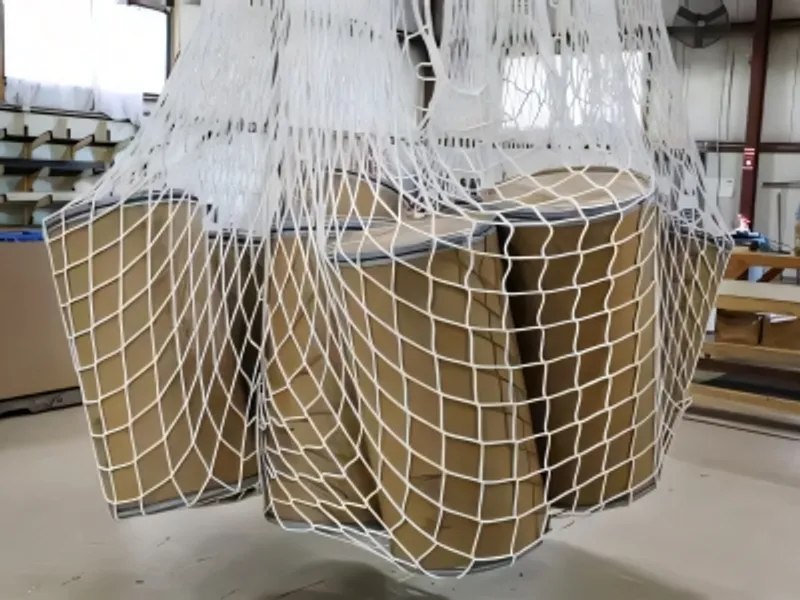
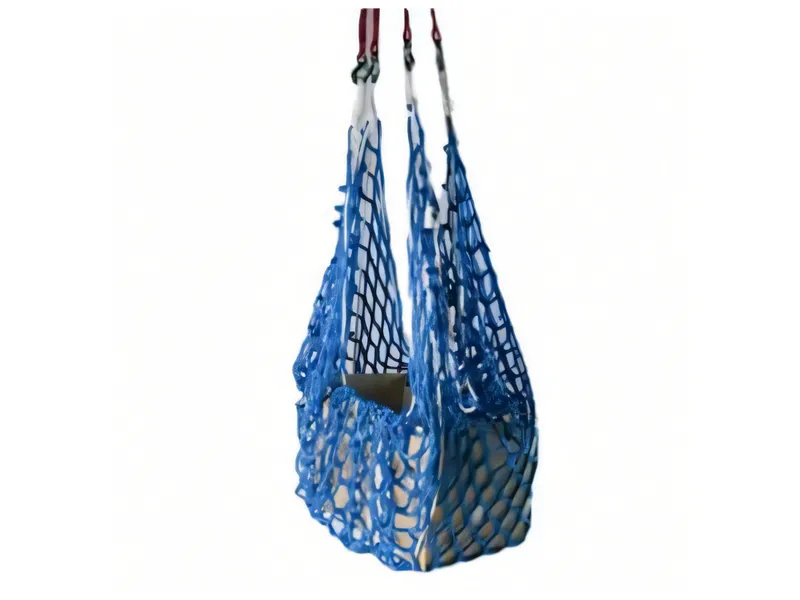
Lifting nets are ideal for irregular, boxy, or bagged loads that cannot be safely lifted with a single sling, such as stacked boxes, bags, and odd-shaped industrial components.
WLL is based on mesh strength, border rope construction, number of attachment points, and intended load distribution. We calculate and certify this for each custom design.
Lifting nets are manufactured to EN 1263-1 with reinforced attachment points. We can provide test reports, material certificates, and custom design calculations.
Please share the net dimensions, mesh size, cargo type and weight, number of lifting points, and any UV or abrasion requirements. A photo or drawing of the load is helpful.
Yes. We use UV-stabilized polyester and reinforced border ropes for outdoor exposure. Specify your environment so we can recommend the right material and coating.
Check the mesh for cuts, abrasion, or broken joints, and inspect border ropes and attachment points for wear or damage. Confirm the WLL label is legible and remove damaged nets from service.
Specifications
Technical Specifications
| Material | Standard | Mesh Size | Border Rope | WLL |
|---|---|---|---|---|
| High-strength polyester | EN 1263-1 | Custom | Reinforced | Customizable |
Safety
Lifting Net Safety & Usage Guidelines
All liftrue products are manufactured under ISO 9001 quality management and are CE certified.
Related Products
Explore More Solutions
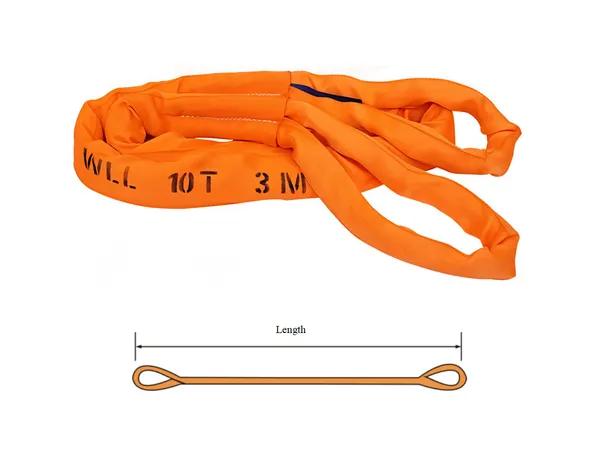
Eye & Eye Round Slings
Reinforced flat-eye round sling with high-tenacity polyester construction for versatile lifting configurations.
View Details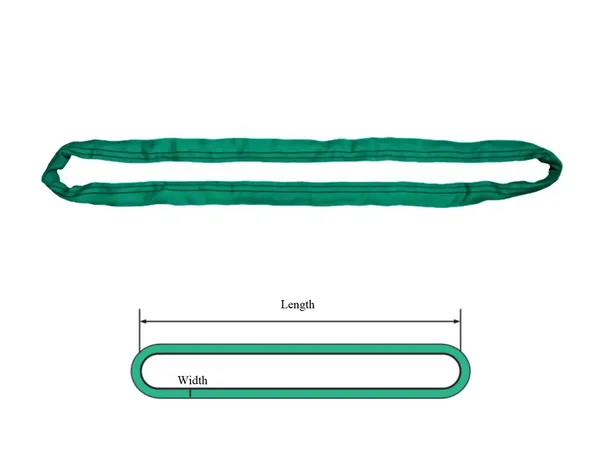
Endless Round Slings
Versatile endless round sling with continuous-loop polyester construction for even load distribution and long service life.
View Details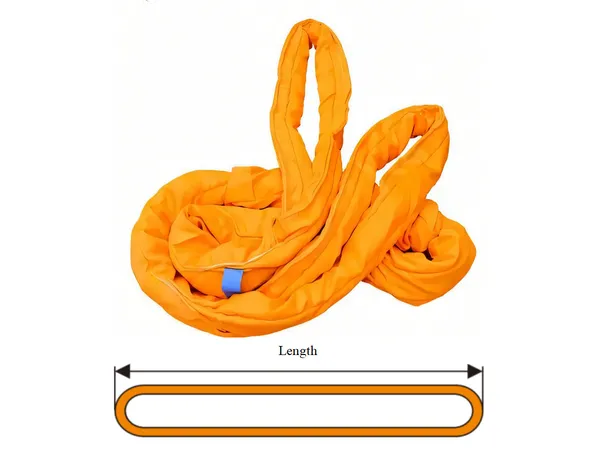
UHMWPE Slings
Ultra-lightweight UHMWPE round sling with superior fatigue and chemical resistance, weighing 1/6 of equivalent steel wire rope.
View Details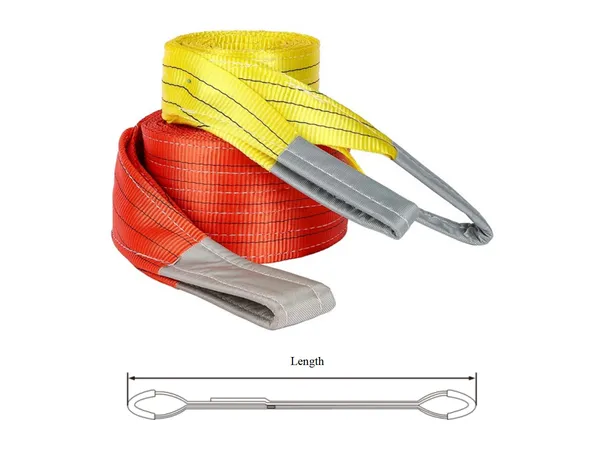
Eye & Eye Webbing Slings
Reinforced eye & eye flat webbing sling with high-tenacity polyester construction and color-coded WLL identification.
View DetailsRequest a Quote
Tell us about your project and we will respond within 24 hours.
Request a Free Sample
Evaluate our quality firsthand. Fill out the quick form below.